Benchtop Spectrophotometers: Research, Biotechnology and Academic Applications 2026
What is it used for in 2026
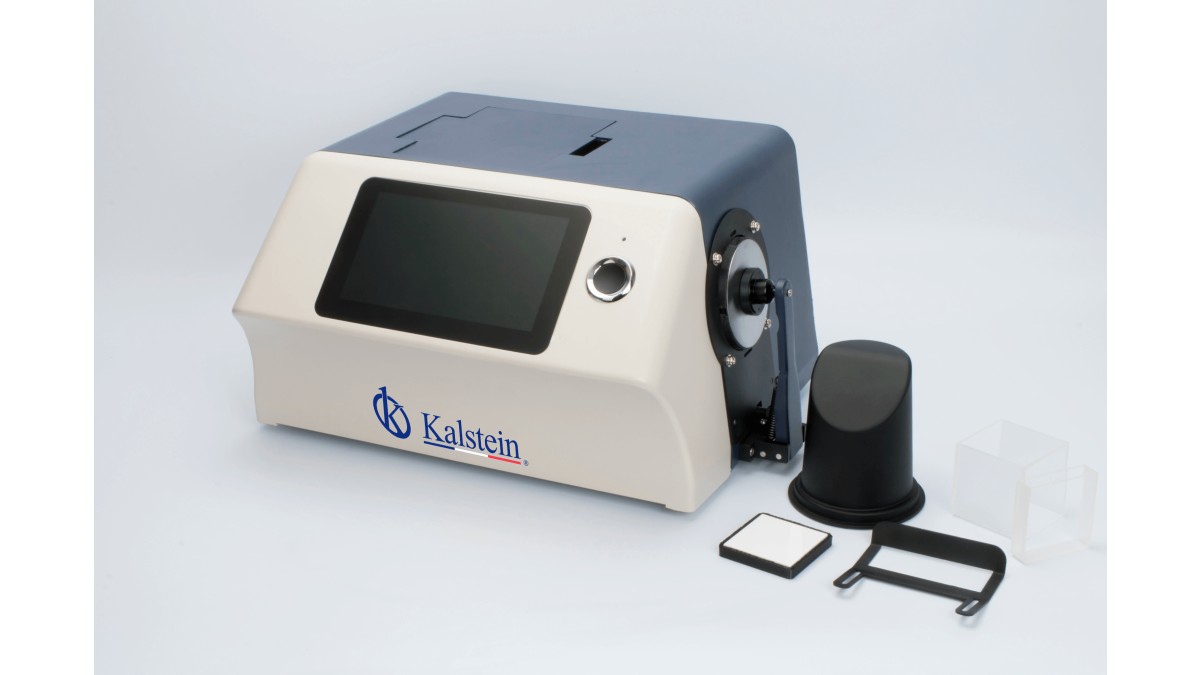
In 2026, Benchtop Spectrophotometers are essential tools in laboratories across various fields, including research, biotechnology, and academia. These instruments are used primarily for color measurement and analysis, as well as for determining the optical properties of substances. They are especially valuable for applications where precise measurements of reflectance and transmittance are critical, such as in color formulations, quality control, and material characterization. Additionally, their ability to operate in both the UV and visible light spectrum makes them versatile instruments in chemical and biological research, as well as in the manufacturing of products that require strict color standards.
History and evolution of the technology
The evolution of spectrophotometry dates back to the early 19th century when scientists began to use light to analyze materials. Over the years, advancements in optical technology and digital electronics have led to the development of modern Benchtop Spectrophotometers. Initially, these instruments were bulky and could only perform limited functions. However, innovations in compact design, touch screen interfaces, and computer software have transformed them into user-friendly devices capable of conducting complex analyses with high accuracy and speed. By 2026, the integration of artificial intelligence and machine learning has further enhanced their capabilities, allowing for predictive analyses and improved calibration techniques.
How to use it step by step
Using a Benchtop Spectrophotometer involves several key steps to ensure accurate results:
- Preparation: Gather all necessary materials, including the samples to be tested and solvents if required.
- Calibration: Power on the spectrophotometer and perform a calibration using a standard reference material to ensure the accuracy of measurements.
- Sample Placement: Position the sample in the designated holder, ensuring it is clean and free from bubbles or other contaminants that could affect results.
- Measurement: Select the appropriate measurement mode (reflectance or transmittance) and initiate the measurement process on the device.
- Data Analysis: Once measurements are complete, analyze the data using the provided software or export it for further analysis.
Best techniques and protocols
To achieve the best results when using Benchtop Spectrophotometers, it is essential to follow these techniques and protocols:
- Standard Operating Procedures: Establish and adhere to standard operating procedures for sample preparation, calibration, and measurement.
- Regular Calibration: Regularly calibrate the spectrophotometer to maintain accuracy and reliability of results.
- Environmental Control: Conduct measurements in a controlled environment to minimize the impact of temperature, humidity, and other external factors.
- Documentation: Keep thorough records of all measurements, calibrations, and maintenance activities to ensure traceability and reproducibility.
Practical applications by laboratory type
Benchtop Spectrophotometers find applications in various laboratory settings:
- Research Laboratories: Used for analysis of chemical compounds, colorimetric assays, and quality control of samples.
- Biotechnology Labs: Essential for measuring the concentration of biomolecules and assessing the color properties of biological samples.
- Academic Institutions: Employed in teaching labs to help students understand fundamental concepts of light interaction with matter.
- Quality Control Labs: Used to ensure products meet required color specifications in industries such as food, cosmetics, and textiles.
Regulations, standards and certifications
Benchtop Spectrophotometers are subject to various regulations and standards that ensure quality and compliance. Key standards include:
- ISO Standards: Several ISO standards define the requirements for spectrophotometry measurement techniques.
- ASTM Standards: ASTM standards provide protocols for conducting tests to determine color and opacity in various materials.
- CIE Standards: The International Commission on Illumination (CIE) establishes guidelines for color measurement and communication.
Comparison with alternative technologies
While Benchtop Spectrophotometers are widely used, alternative technologies exist. These include:
- Colorimeters: More affordable but limited in functionality compared to spectrophotometers, often used for simple color measurement tasks.
- Fluorometers: Specialize in measuring fluorescence, making them ideal for specific applications in biochemistry and molecular biology.
- Near-Infrared Spectroscopy (NIR): Useful for analyzing solid and liquid samples without preparation, but may not provide the detailed color analysis offered by spectrophotometers.
Comparison of available models
| Model | Best for | Key specs | Recommended use case |
|---|---|---|---|
| YR05474 | Color analysis in R&D and laboratory environments | Price: $6430.00 | Ideal for laboratories requiring precise color measurement and high stability. |
| YR05475 | General laboratory use | Price: $4695.00 | Suitable for various color analysis tasks across different laboratory settings. |
| YR05476 | Research and industrial applications | Price: $6430.00 | Perfect for high-end applications needing extensive data analysis capabilities. |
| YR05477 | Reflectance and transmittance evaluation | Price: $4695.00 | Best for testing both solid and liquid samples in a variety of settings. |
| YR05478 | Color difference metric analysis | Price: $4445.00 | Recommended for color formulation in industries like textile and paint. |
| YR05482 | Non-contact color measurement | Price: $4950.00 | Ideal for delicate samples that cannot be touched during measurement. |
Common mistakes and how to avoid them
To prevent errors during the use of Benchtop Spectrophotometers, consider the following common mistakes and solutions:
- Improper Calibration: Always ensure that calibration is performed regularly and correctly to avoid measurement inaccuracies.
- Sample Contamination: Clean samples thoroughly and use appropriate handling techniques to avoid contamination that can skew results.
- Ignoring Environmental Factors: Conduct measurements in stable environmental conditions to avoid effects of temperature and humidity fluctuations.
Maintenance, calibration and good practices 2026
Maintaining a Benchtop Spectrophotometer involves regular cleaning, calibration, and adherence to best practices:
- Routine Cleaning: Keep the optical surfaces clean and free from dust or residue, using appropriate cleaning solutions.
- Scheduled Calibration: Implement a regular calibration schedule to ensure optimal performance and accuracy.
- Record Keeping: Maintain detailed logs of calibration dates, results, and any maintenance performed to track the history of the instrument.
Cost-benefit analysis 2026
When evaluating the cost versus benefits of investing in a Benchtop Spectrophotometer, consider:
- Initial Investment: Prices vary depending on features and capabilities, with models ranging from about $4445 to $6430.
- Operational Efficiency: These instruments save time and improve accuracy, leading to better data and reduced rework in laboratory processes.
- Return on Investment: High-quality results can enhance project outcomes, making the investment worthwhile for laboratories seeking to improve their analytical capabilities.
Frequently asked questions
What types of samples can be measured with a benchtop spectrophotometer?
Benchtop spectrophotometers can measure a wide variety of samples, including liquids, solids, and powders. They are suitable for both reflective and transmissive measurements, making them versatile for different applications.
How often should I calibrate my spectrophotometer?
Calibration frequency depends on the usage of the device. For high-usage laboratories, daily calibration may be necessary, while less frequent use might require weekly or monthly checks. Always refer to the manufacturer's recommendations.
Can I use a benchtop spectrophotometer for color matching?
Yes, these instruments are excellent for color matching tasks. They provide precise measurements that can be used to evaluate color differences and ensure consistency in products.
What are the most common maintenance tasks for these instruments?
Common maintenance tasks include regular cleaning of optical components, calibration checks, and software updates. Keeping the instrument in a controlled environment also helps maintain its integrity.
Is training required to use a benchtop spectrophotometer?
While training is not strictly required, it is highly recommended to ensure users understand the operating procedures, calibration, and data analysis techniques for optimal results.
How do I choose the right model for my laboratory?
Choosing the right model depends on your specific application needs, budget, and the types of samples you will be analyzing. Evaluate the features of each model and consider how they align with your laboratory's requirements.
Where can I request a quote for a benchtop spectrophotometer?
You can request a quote for a benchtop spectrophotometer through the appropriate channels at Kalstein, where you can explore various models and their specifications.
If you are looking for a fusion of innovation and quality, you have come to the right place. At Kalstein, we offer you the luxury of exploring our exclusive catalog of laboratory equipment. We manufacture every device to the highest standards of excellence. Our intuitive and seamless online purchasing channels are designed for your convenience, securing the most competitive prices. Hesitate no longer — we bring science to life, it is time to become part of our community.