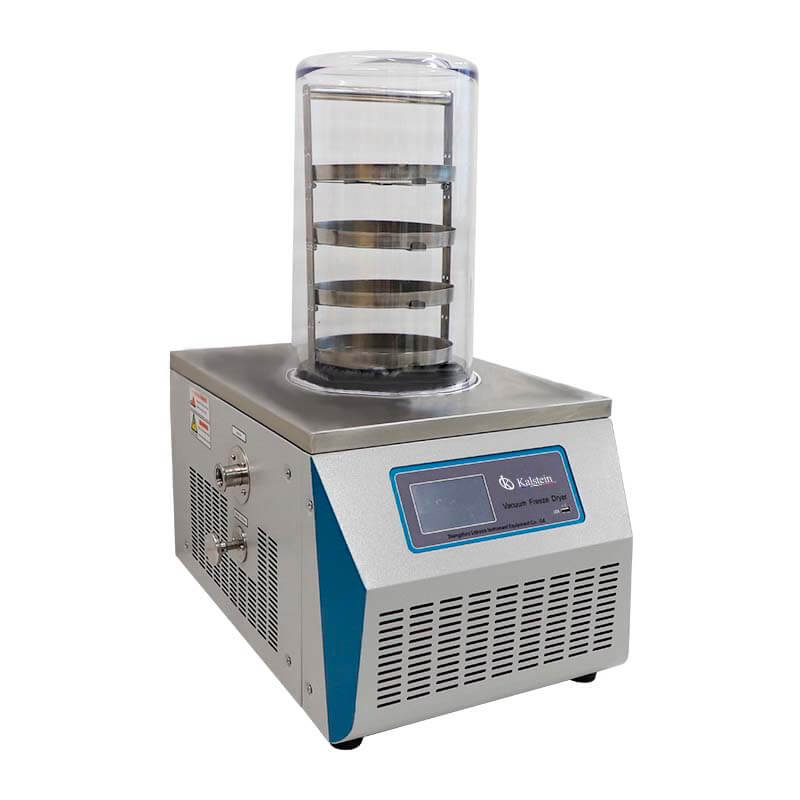
Benchtop Laboratory Freeze Dryer: Applications and Techniques 2026
As laboratory professionals seek advanced solutions for preservation and research, understanding the practical applications of Benchtop Laboratory Freeze Dryers becomes essential. These innovative devices play a critical role in various fields, enabling the long-term preservation of sensitive materials.
What is it used for in 2026
In 2026, Benchtop Laboratory Freeze Dryers are primarily utilized in sectors such as pharmaceuticals, food production, biological research, and chemical industries. Their function centers around lyophilization, a technique that removes moisture from materials without affecting their structural integrity. This process is vital for preserving the chemical and biological characteristics of products, making it easier to restore them to their original state when needed.
History and evolution of the technology
Lyophilization technology has evolved significantly since its inception. Initially developed for food preservation during World War II, it has expanded to various laboratory applications. Over the decades, advancements in vacuum technology and refrigeration methods have refined the freeze-drying process, allowing for more efficient and reliable equipment. The introduction of Benchtop models has made this technology accessible to smaller laboratories, enhancing research capabilities.
How to use it step by step
Using a Benchtop Laboratory Freeze Dryer involves several key steps:
- Preparation: Ensure that the materials to be lyophilized are properly prepared, placed in suitable containers, and at the correct thickness.
- Loading: Load the samples onto the freeze dryer shelves, ensuring even distribution for optimal performance.
- Setting Parameters: Set the desired temperature and vacuum levels using the device's control panel.
- Starting the Process: Initiate the freeze-drying cycle and monitor the parameters through the display.
- Completion: Once the cycle is finished, carefully remove the samples, ensuring they are intact and dry.
- Storage: Store the lyophilized products under appropriate conditions to maintain stability.
Best techniques and protocols
In 2026, the best techniques for operating Benchtop Laboratory Freeze Dryers include:
- Pre-freezing: Properly pre-freezing samples before placing them in the dryer enhances efficiency.
- Monitoring: Continuously monitor temperature and vacuum levels during the process to ensure optimal outcomes.
- Using appropriate containers: Select containers that facilitate uniform drying and minimize contamination risks.
Practical applications by laboratory type
Different types of laboratories leverage the capabilities of Benchtop Laboratory Freeze Dryers, including:
- Pharmaceutical Labs: For the lyophilization of medications, vaccines, and biological samples.
- Food Science Labs: To preserve food samples while maintaining flavor and nutritional value.
- Biological Research Labs: For long-term preservation of microbial cultures and biological specimens.
Regulations, standards and certifications
Benchtop Laboratory Freeze Dryers must comply with various regulations and standards including:
- ISO 9001 for quality management systems
- FDA regulations for pharmaceutical applications
- CE marking for equipment used in the European market
Comparison with alternative technologies
Compared to alternative drying methods such as air drying or spray drying, freeze drying offers several advantages:
- Preservation of structure: Freeze drying maintains the shape and integrity of sensitive materials.
- Longer shelf life: Products retain their properties for a longer duration without refrigeration.
Comparison of available models
| Model | Best for | Key specs | Recommended use case |
|---|---|---|---|
| YR05186 | Biological and pharmaceutical applications | 0.12㎡, -55°C, 700W | Ideal for large-scale lyophilization processes. |
| YR05187 | Laboratory experiments | 0.08㎡, -55°C, 700W | Suitable for medium-scale laboratory freeze-drying. |
| YR05188 | Multifunctional laboratory use | 0.12㎡, -55°C, 700W | Versatile for various laboratory applications. |
| YR05189 | Food and biological research | 0.08㎡, -55°C, 700W | Best for tests in food preservation. |
| YR05189-1 | Laboratory experiments | 3-4kg/24h, -55°C, 700W | Ideal for customized laboratory needs. |
Common mistakes and how to avoid them
Common mistakes when using Benchtop Laboratory Freeze Dryers include:
- Overloading the shelves: Ensure samples are evenly distributed to avoid inefficient drying.
- Incorrect settings: Always verify settings for temperature and vacuum before starting the process.
- Poor sample preparation: Properly prepare samples to optimize the lyophilization process.
Maintenance, calibration and good practices 2026
Regular maintenance and calibration are crucial for optimal performance in 2026. Best practices include:
- Conduct routine checks on vacuum seals and gaskets.
- Calibrate temperature sensors regularly to ensure accuracy.
- Keep the interior of the machine clean and free from contaminants.
Cost-benefit analysis 2026
When evaluating the cost-effectiveness of Benchtop Laboratory Freeze Dryers, consider:
- Initial investment vs. long-term savings on product preservation.
- Impact on research capabilities and product quality.
- Potential increase in productivity by streamlining processes.
Frequently asked questions
What factors should I consider when choosing a freeze dryer?
When selecting a freeze dryer, consider the capacity, temperature range, and the specific applications you need it for, along with the available space in your laboratory.
How do I maintain the freeze dryer for optimal performance?
Regular maintenance includes cleaning the interior, checking seals, and calibrating sensors to ensure efficient operation and longevity of the equipment.
What types of samples can be processed in a freeze dryer?
Freeze dryers can process a variety of samples, including pharmaceuticals, biological materials, and food products, as long as they are compatible with the vacuum drying process.
How long does the lyophilization process typically take?
The duration of the lyophilization process varies based on sample type and thickness but generally ranges from several hours to a full day.
Can freeze dryers be used for different lab applications?
Yes, freeze dryers are versatile and can be adapted for use in various laboratory applications, including pharmaceuticals, biological research, and food preservation.
What are common troubleshooting tips for freeze dryers?
Common troubleshooting tips include checking for proper vacuum levels, ensuring that the samples are not overloaded, and verifying that temperature settings are correctly configured.
If you are looking for a fusion of innovation and quality, you have come to the right place. At Kalstein, we offer you the luxury of exploring our exclusive catalog of laboratory equipment. We manufacture every device to the highest standards of excellence. Our intuitive and seamless online purchasing channels are designed for your convenience, securing the most competitive prices. Hesitate no longer — we bring science to life, it is time to become part of our community.