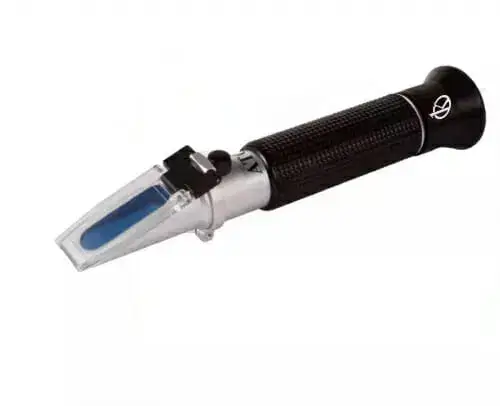
Beer Refractometers: Best Techniques and Protocols in 2026
Beer Refractometers are essential tools in the brewing industry, enabling brewers to measure the density of sugars in liquid solutions accurately. This guide provides laboratory professionals with comprehensive insights into using Beer Refractometers effectively in 2026, elaborating on techniques, protocols, and best practices relevant to the current landscape.
What is it used for in 2026
Beer Refractometers are primarily utilized to measure the sugar content in wort, providing brewers with immediate gravity readings during the brewing process. This is crucial for determining the fermentation potential of the wort and making necessary adjustments. In 2026, these devices have continued to evolve, offering enhanced accuracy and ease of use, allowing for quick checks throughout the fermentation process.
History and evolution of the technology
The technology behind refractometers has seen significant advancements since its inception. Originally designed for laboratory use, the optical Beer Refractometer has transitioned into a handheld format, making it accessible for brewers. Significant improvements have been made in terms of precision, portability, and temperature compensation features, making it an indispensable tool in modern brewing.
How to use it step by step
- Ensure the refractometer is clean and calibrated according to the manufacturer's instructions.
- Place a few drops of the wort sample onto the glass prism of the refractometer.
- Close the cover plate to spread the sample evenly.
- Look through the eyepiece to read the refracted light, which will indicate the Brix value.
- Note the Brix reading and convert it to specific gravity if necessary, using a conversion chart if applicable.
Best techniques and protocols
To obtain accurate readings, follow these best practices:
- Use a sample size that is sufficient to cover the prism completely.
- Calibrate the refractometer at the start of each brewing session.
- Avoid using samples that are too hot; let them cool to room temperature if necessary.
- Regularly check for cleanliness and maintain the device to prevent contamination.
Practical applications by laboratory type
In breweries, Beer Refractometers serve multiple functions:
- Quality Control: Regular checks on sugar content ensure product consistency and quality.
- Research and Development: New recipes can be tested for specific gravity outcomes.
- Batch Monitoring: Throughout fermentation, ongoing measurements inform any necessary adjustments.
Regulations, standards and certifications
When using Beer Refractometers, it is essential to adhere to industry standards and regulations, such as those set by the Alcohol and Tobacco Tax and Trade Bureau (TTB) in the United States. Compliance with these standards ensures quality and safety in beer production.
Comparison with alternative technologies
While Beer Refractometers are widely used, alternatives such as hydrometers and digital density meters also serve similar purposes. Beer Refractometers are typically more user-friendly and require less sample volume compared to hydrometers. In contrast, digital density meters offer advanced features, such as real-time data logging, but at a higher cost.
Comparison of available models
| Model | Best for | Key specs | Recommended use case |
|---|---|---|---|
| YR05939 | Quick gravity checks | 0-32% Brix, SG: 1.000-1.120, ±0.2% Brix | Ideal for frequent measurements during boiling or fermentation |
| YR05940 | Instant readings | 0-32% Brix, SG: 1.000-1.120, ±0.2% Brix | Perfect for those who prefer minimal temperature adjustments |
| YR05941 | Frequent monitoring | 0-32% Brix, SG: 1.000-1.120, ±0.2% Brix | For brewers who need quick access to sugar content readings |
| YR05942 | Low sample volume | 0-32% Brix, SG: 1.000-1.120, ±0.2% Brix | Great for small batch brewing or experimental recipes |
| YR05943 | All-purpose readings | 0-32% Brix, SG: 1.000-1.120, ±0.2% Brix | Suitable for various brewing processes and research |
Common mistakes and how to avoid them
Several common mistakes can affect the accuracy of your readings:
- Not calibrating the refractometer regularly.
- Using samples that are too hot or too cold.
- Neglecting to clean the prism properly before each use.
- Failing to account for temperature effects on readings.
Maintenance, calibration and good practices 2026
To ensure longevity and accuracy, follow these maintenance tips:
- Calibrate the refractometer before each use, ideally with distilled water.
- Clean the prism with a soft cloth, avoiding any abrasive materials.
- Store the device in a protective case to avoid damage.
Cost-benefit analysis 2026
When considering the investment in Beer Refractometers, weigh the costs against the benefits of increased accuracy, time-saving, and improved product quality. In 2026, the affordability of these devices has improved, making them accessible for even small-scale brewers while maintaining high standards of measurement.
Frequently asked questions
What is the primary advantage of using a Beer Refractometer over a hydrometer?
The primary advantage of a Beer Refractometer is that it requires a significantly smaller sample size and provides instantaneous readings, making it more convenient for brewers.
How often should I calibrate my Beer Refractometer?
It is recommended to calibrate your Beer Refractometer at the beginning of each brewing session to ensure accuracy in measurements.
Can a Beer Refractometer be used for other types of beverages?
Yes, while Beer Refractometers are designed for brewing, they can also be used for measuring sugar content in other sugar-based liquids.
How do I interpret the Brix reading from my refractometer?
The Brix reading indicates the sugar content in your wort. You may need to convert this reading into specific gravity for fermentation adjustments.
What maintenance do Beer Refractometers require?
They require regular calibration, cleaning of the prism, and proper storage to maintain accuracy and functionality.
Are there any specific standards I should be aware of when using a Beer Refractometer?
Yes, compliance with industry standards, such as those set forth by the TTB, is crucial for ensuring product quality and safety.
How do I choose the right model for my brewing needs?
Consider your brewing scale, frequency of use, and specific measurement needs to determine which model best meets your requirements.
If you are looking for a fusion of innovation and quality, you have come to the right place. At Kalstein, we offer you the luxury of exploring our exclusive catalog of laboratory equipment. We manufacture every device to the highest standards of excellence. Our intuitive and seamless online purchasing channels are designed for your convenience, securing the most competitive prices. Hesitate no longer — we bring science to life, it is time to become part of our community.