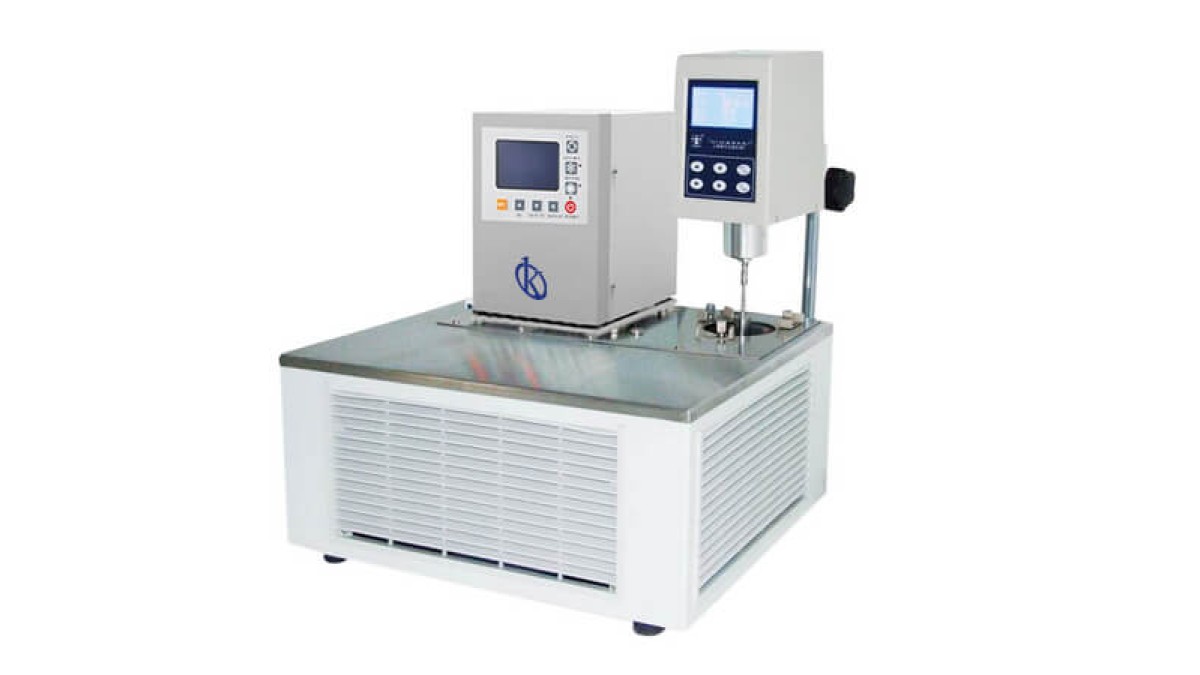
Bath Circulators: Common Mistakes and How to Avoid Them in Daily Operation 2026
Bath circulators are essential devices in laboratories, providing precise temperature control for various applications. Understanding their use, the techniques involved, and common mistakes can significantly enhance laboratory efficiency. This article will serve as a comprehensive guide for laboratory professionals.
What is it used for in 2026
In 2026, bath circulators are widely used in laboratories for applications requiring stable temperature control. They are particularly valuable in viscosity measurements, chemical synthesis, and biological experiments. The ability to maintain temperatures between -40°C to 100°C makes them versatile for various chemical and biological processes.
History and evolution of the technology
The development of bath circulators began in the mid-20th century with the need for precise temperature control in laboratory settings. Early models were simple, providing basic heating and cooling functions. Over the decades, technological advancements have introduced PID temperature control, enhanced materials for better insulation, and integration with digital displays for improved user interface. Modern models now offer features such as alarm systems for overheating, enhanced circulation pumps, and various size options to fit different laboratory needs.
How to use it step by step
Using a bath circulator involves several steps to ensure optimal performance:
- Setup: Place the circulator on a stable, flat surface away from heat sources.
- Fill the tank: Add water or the appropriate liquid to the tank, ensuring the minimum and maximum levels are observed.
- Power on: Connect the circulator to a power source and turn it on.
- Temperature setting: Use the digital interface to set the desired temperature.
- Calibrate: Allow the circulator to reach the set temperature, then calibrate if necessary.
- Conduct experiments: Place samples securely in the bath and monitor the temperature consistently.
- Shutdown: Once finished, power off the device and properly drain and clean the bath.
Best techniques and protocols
To ensure the best results when using bath circulators, follow these techniques:
- Regularly check and calibrate the temperature settings.
- Use quality fluids that provide good thermal conductivity.
- Avoid overfilling the bath to prevent spills and ensure efficient circulation.
- Employ proper insulation techniques to maintain stable temperatures and reduce energy consumption.
- Document all settings and outcomes for reproducibility in experiments.
Practical applications by laboratory type
Bath circulators have various applications across different laboratory types:
- Chemical laboratories: Used for reaction control in synthesis and analysis.
- Biological laboratories: Essential for maintaining cell cultures and biochemical reactions.
- Material science: Employed in testing material properties at controlled temperatures.
- Quality control labs: Used for temperature-sensitive tests on products.
Regulations, standards and certifications
Bath circulators must comply with various regulations and standards to ensure safety and reliability:
- ISO 9001 for quality management systems.
- CE marking for compliance with European safety standards.
- UL certification indicating adherence to American safety standards.
- ASTM standards for laboratory equipment reliability and performance.
Comparison with alternative technologies
When compared to alternative temperature control technologies, bath circulators offer several advantages:
- More precise temperature control than traditional water baths.
- Higher efficiency and faster temperature stabilization compared to immersion heaters.
- Less maintenance and longer lifespan compared to standard laboratory heaters.
Comparison of available models
| Model | Best for | Key specs | Recommended use case |
|---|---|---|---|
| YR04985 | Viscometry | Temperature range: -5 to 99.9°C | Precision temperature control with low fluctuation. |
| YR04999 | Chemical synthesis | Temperature range: -30 to 100°C | Ideal for complex chemical reactions requiring precise temperature. |
| YR04996 | Biological experiments | Temperature range: -5 to 100°C | Used in maintaining stable conditions for cell cultures. |
| YR04988 | Material testing | Temperature range: -20 to 100°C | For testing material properties in controlled environments. |
| YR04989 | Quality control | Temperature range: -30 to 100°C | For temperature-sensitive product testing. |
| YR04986 | General laboratory use | Temperature range: -5 to 100°C | Versatile for various laboratory experiments. |
Common mistakes and how to avoid them
Laboratory professionals often encounter common mistakes when operating bath circulators:
- Overestimating liquid levels: Ensure the liquid does not exceed recommended levels to prevent overflow.
- Ignoring calibration: Regularly calibrate the device for accurate temperature readings.
- Using inappropriate liquids: Only use fluids that are compatible with the circulator for optimal performance.
- Inadequate maintenance: Follow maintenance protocols to prolong the life of the device.
Maintenance, calibration and good practices 2026
To maintain and calibrate bath circulators effectively, follow these practices:
- Perform regular checks on the heating and cooling functions.
- Clean the tank after each use to prevent contamination.
- Calibrate weekly or as per usage frequency to ensure accuracy.
- Inspect the pump and circulation system for blockages or wear.
Cost-benefit analysis 2026
Investing in bath circulators presents several financial advantages:
- Enhanced efficiency leads to time savings in experiments.
- Precision reduces the likelihood of experimental errors, saving costs associated with repeat tests.
- Longevity and durability of modern models result in lower long-term costs.
Frequently asked questions
What is the best temperature range for my experiments?
The best temperature range depends on your specific application; however, most experiments can efficiently operate within -5°C to 100°C.
How often should I calibrate my bath circulator?
It is recommended to calibrate your bath circulator weekly or before significant experiments to ensure accuracy.
Can I use oils in my bath circulator?
Only use fluids that are compatible with your circulator’s materials; consult the manual for specific recommendations.
What maintenance should be performed regularly?
Regular maintenance includes cleaning the tank, checking the temperature control system, and inspecting the circulation pump for blockages.
Are there any safety precautions I should follow?
Always follow the manufacturer’s safety guidelines, ensure proper ventilation, and avoid exceeding the maximum fluid levels.
What should I do if the device does not reach the set temperature?
Check for blockages in the circulation system and verify that the device is properly calibrated. If issues persist, consult technical support.
How can I request a quote for a bath circulator?
You can request a quote directly through our online platform or contact our sales team for assistance.
If you are looking for a fusion of innovation and quality, you have come to the right place. At Kalstein, we offer you the luxury of exploring our exclusive catalog of laboratory equipment. We manufacture every device to the highest standards of excellence. Our intuitive and seamless online purchasing channels are designed for your convenience, securing the most competitive prices. Hesitate no longer — we bring science to life, it is time to become part of our community.