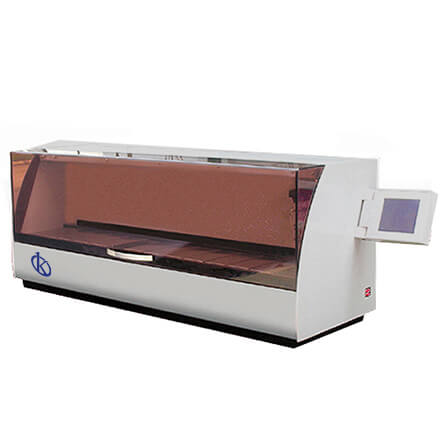
Automatic Slide Stainers: Practical Applications and Techniques 2026
What is it used for in 2026
Automatic slide stainers are essential tools in modern laboratories, primarily used for preparing biological samples for microscopic examination. These systems streamline the staining process, enhance reproducibility, and reduce manual errors. In 2026, they are utilized in various settings, including clinical laboratories, research facilities, and educational institutions, facilitating diverse applications such as histology, cytology, and immunohistochemistry.
History and evolution of the technology
The evolution of automatic slide stainers dates back to the early 20th century when manual staining methods dominated laboratory practices. However, with advancements in technology, the introduction of automated systems revolutionized sample preparation. The first automatic stainers appeared in the mid-20th century and have since developed into sophisticated machines equipped with touch-screen interfaces, programmable protocols, and enhanced safety features. Modern models exemplify this evolution, focusing on efficiency, precision, and user-friendliness.
How to use it step by step
Using an automatic slide stainer involves several key steps:
- Preparation: Gather all necessary materials, including slides, reagents, and cleaning solutions. Ensure that the device is clean and free of contaminants.
- Program Selection: Choose the appropriate staining protocol on the touch-screen interface, customizing parameters such as timing and reagent usage as needed.
- Loading: Place the slides securely in the designated holders or racks, ensuring that they are correctly aligned for optimal staining.
- Execution: Start the machine and monitor the process. The automatic stainer will handle the timing and dispensing of reagents according to the selected program.
- Post-Staining: Once completed, remove the slides carefully and follow any additional steps for mounting or drying.
Best techniques and protocols
To achieve optimal results with automatic slide stainers, the following techniques and protocols are recommended:
- Consistent Reagent Quality: Always use high-quality reagents to ensure reproducibility and accuracy in staining.
- Regular Calibration: Periodically calibrate the equipment to maintain precision in timing and temperature control.
- Optimal Temperature Control: Ensure that reagents are stored and used at the recommended temperatures to prevent degradation.
- Protocol Optimization: Tailor staining protocols to specific sample types and desired outcomes, allowing for adjustments based on empirical results.
Practical applications by laboratory type
The applications of automatic slide stainers vary across different laboratory types:
- Clinical Laboratories: Used for hematology and cytology slides, enabling rapid and accurate diagnostics.
- Research Laboratories: Essential for immunohistochemistry and fluorescent staining, allowing in-depth studies of tissue morphology.
- Educational Institutions: Facilitate teaching practices by providing consistent and reproducible staining results for student experiments.
Regulations, standards and certifications
Automatic slide stainers must adhere to various regulations and standards to ensure quality and safety, including:
- ISO Standards: Certification for quality management systems ensures that manufacturers meet international standards.
- CLIA Regulations: Clinical laboratories must comply with these standards to ensure proper testing methods.
- CE Marking: Indicating compliance with European health, safety, and environmental protection standards.
Comparison with alternative technologies
When comparing automatic slide stainers to alternative technologies such as manual staining or semi-automated systems, several key differences are evident:
- Efficiency: Automatic systems significantly reduce staining time and labor, providing faster results compared to manual methods.
- Reproducibility: Automated processes minimize variability, ensuring consistent results across samples.
- Ease of Use: Touch-screen interfaces and pre-programmed protocols make automatic systems user-friendly, reducing the need for extensive training.
Comparison of available models
| Model | Best for | Key specs | Recommended use case |
|---|---|---|---|
| YR435 | High-volume staining | 14 cups, 72 slides simultaneously, 500W power | Clinical laboratories requiring efficient processing |
| YR435-1 | Versatile staining options | 400 slides/hour, multiple protocols | Research facilities needing diverse staining methods |
| YR436-1 | Compact and efficient | 15 tanks, 400W power | Small labs that require a space-saving solution |
Common mistakes and how to avoid them
Laboratories can encounter several common mistakes while using automatic slide stainers. Avoid these pitfalls:
- Ignoring Calibration: Regularly calibrate the machine to maintain accuracy.
- Improper Loading: Ensure slides are loaded correctly to avoid cross-contamination.
- Using Expired Reagents: Always check the expiration dates of reagents before use.
Maintenance, calibration and good practices 2026
To ensure longevity and accuracy of automatic slide stainers:
- Regular Cleaning: Clean the machine after each use to prevent buildup of contaminants.
- Scheduled Maintenance: Follow a routine maintenance schedule as recommended by the manufacturer.
- Record Keeping: Maintain logs of calibration and maintenance activities to track performance over time.
Cost-benefit analysis 2026
Investing in automatic slide stainers entails evaluating costs versus benefits:
- Initial Investment: These devices typically have higher upfront costs but can lead to savings in labor and time.
- Operational Savings: Reduced errors and consistent results lower the need for repeat testing.
- Increased Productivity: Automation enhances throughput, allowing laboratories to handle more samples in less time.
Frequently asked questions
How do I choose the right automatic slide stainer for my laboratory?
Consider factors like the volume of samples processed, desired staining techniques, and available laboratory space when selecting a stainer.
What maintenance is required for automatic slide stainers?
Regular cleaning, calibration, and following the manufacturer's maintenance guidelines are essential to keep the equipment functioning optimally.
Can I use any reagents with an automatic slide stainer?
It is crucial to use reagents compatible with your specific model to prevent damage and ensure accurate results.
How do I troubleshoot common issues with these devices?
Refer to the user manual for troubleshooting guidelines, and contact technical support for persistent issues.
What are the benefits of using an automatic slide stainer over manual staining?
Automatic slide stainers offer improved efficiency, reproducibility, and ease of use, significantly reducing labor and error rates.
Are there specific protocols for different staining techniques?
Yes, different staining techniques may require unique protocols that can usually be customized through the machine's interface.
How can I ensure the quality of staining results?
Use high-quality reagents, maintain the equipment, and follow optimized protocols for the best outcomes.
If you are looking for a fusion of innovation and quality, you have come to the right place. At Kalstein, we offer you the luxury of exploring our exclusive catalog of laboratory equipment. We manufacture every device to the highest standards of excellence. Our intuitive and seamless online purchasing channels are designed for your convenience, securing the most competitive prices. Hesitate no longer — we bring science to life, it is time to become part of our community.