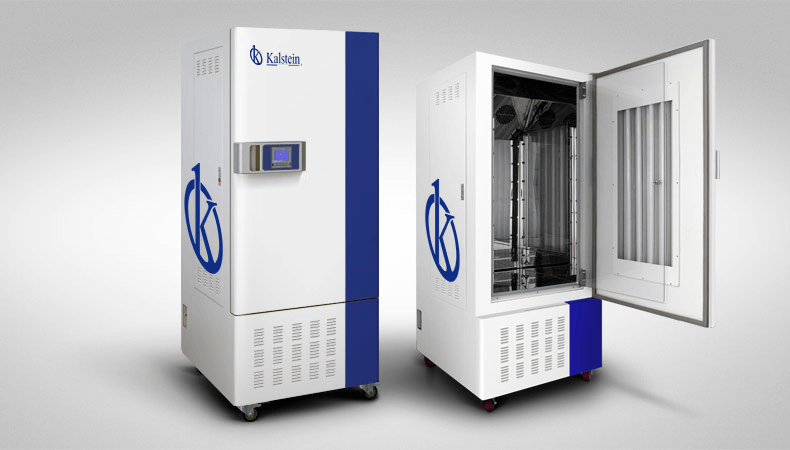
Artificial Climate Chambers: Common Mistakes and How to Avoid Them in Daily Operation 2026
Artificial climate chambers have become vital tools in various fields of research and development, allowing scientists to simulate environmental conditions and study their effects on biological specimens, including plants and cells. This article aims to provide laboratory professionals with a comprehensive understanding of how to effectively use these chambers, as well as to highlight common mistakes and strategies to avoid them in 2026.
What is it used for in 2026
In 2026, artificial climate chambers are primarily used for simulating different environmental conditions, allowing researchers to replicate scenarios such as day and night cycles, temperature fluctuations, and varying humidity levels. These functions are crucial in areas such as biological research, agricultural studies, and material testing. The ability to control such variables can help in studying growth patterns, the effects of climate change, and the efficacy of certain treatments in controlled environments.
History and evolution of the technology
The development of artificial climate chambers has evolved significantly over the past decades. Initially, rudimentary systems were created, focusing on basic temperature regulation. However, advancements in technology have led to the integration of sophisticated controls, allowing for precise adjustments in temperature, humidity, and light conditions. This evolution has enabled researchers to conduct long-term experiments that were once considered impossible.
How to use it step by step
To utilize an artificial climate chamber effectively, follow these steps:
- Preparation: Ensure the chamber is clean and free from any contaminants. Calibrate the equipment according to manufacturer's guidelines.
- Setup: Place the samples or specimens within the chamber. Ensure they are positioned correctly to receive adequate light and airflow.
- Programming: Set the desired parameters for temperature, humidity, and light cycles. Utilize the control panel to input these settings.
- Monitoring: Regularly monitor the conditions within the chamber using the in-built sensors. Make adjustments as necessary to maintain the required environment.
- Data collection: Collect your data as per your experimental design. Ensure to log any discrepancies from the expected conditions.
- Post-experiment cleaning: After completing your experiment, clean the chamber thoroughly to prevent any cross-contamination for future use.
Best techniques and protocols
Utilizing best techniques can greatly enhance the effectiveness of experiments conducted in artificial climate chambers:
- Standardize Procedures: Create standard operating procedures (SOPs) for setting up and monitoring experiments.
- Regular Calibration: Regularly calibrate sensors and controls to ensure accurate readings and functionality.
- Consistent Monitoring: Constantly monitor environmental conditions, especially during critical phases of the experiment.
- Documentation: Keep detailed records of all settings, modifications, and observations during experiments.
- Utilization of Controls: Use control samples to compare against experimental outcomes for accurate analysis.
Practical applications by laboratory type
Artificial climate chambers have versatile applications across various laboratory types:
- Biological Research Labs: Used to study growth patterns in plant tissue and cell cultures under controlled light and temperature.
- Agricultural Research Labs: Support experiments on crop resilience and growth responses to varying climate conditions.
- Pharmaceutical Labs: Help in testing the stability of drug formulations under simulated environmental conditions.
- Material Science Labs: Assess material durability and performance when exposed to controlled humidity and temperature variations.
Regulations, standards and certifications
Adhering to regulations and standards is essential when using artificial climate chambers. Laboratories must comply with ISO 9001 for quality management systems, and for specific fields such as pharmaceuticals, adherence to Good Manufacturing Practices (GMP) is crucial. Certifications may vary by region, and it's vital to ensure that the equipment is validated according to the relevant protocols.
Comparison with alternative technologies
Artificial climate chambers offer distinct advantages over alternative technologies, such as open field testing or simple incubators. While open field experiments are subject to uncontrollable environmental factors, climate chambers provide a controlled environment, allowing for reproducibility and precision. Compared to incubators, climate chambers facilitate a wider range of environmental simulations, making them more versatile for various research applications.
Comparison of available models
| Model | Best for | Key specs | Recommended use case |
|---|---|---|---|
| YR05347 | Long-term biological experiments | Temperature range: 10~65 ℃, Humidity range: 50~90% HR, Lighting: 0~15000 | Suitable for tissue culture and small animal feeding studies. |
| YR05348 | Cell culture and plant growth | Temperature range: 10~65 ℃, Humidity range: 50~90% HR, Lighting: 0~15000 | Ideal for extensive growth studies in controlled conditions. |
| YR05349 | Material testing and durability studies | Temperature range: 10~65 ℃, Humidity range: 50~90% HR, Lighting: 0~15000 | Perfect for investigations on material performance under varied conditions. |
Common mistakes and how to avoid them
Here are some frequent mistakes made when using artificial climate chambers and tips on how to avoid them:
- Poor Calibration: Regularly calibrate the equipment and sensors to ensure accuracy.
- Inconsistent Environment: Maintain a consistent environment by avoiding frequent opening of the chamber.
- Neglecting Maintenance: Follow a scheduled maintenance routine to prolong the lifespan of the equipment.
- Improper Setup: Always follow the recommended setup procedures to ensure optimal performance.
- Lack of Documentation: Keep thorough records of all experiments for future reference and reproducibility.
Maintenance, calibration and good practices 2026
Proper maintenance and calibration are essential for the longevity and accuracy of artificial climate chambers. Here are some practices to follow in 2026:
- Routine Checks: Conduct routine checks on temperature and humidity levels to ensure they are within the desired ranges.
- Calibration Schedule: Establish a calibration schedule based on the manufacturer’s guidelines.
- Cleaning Protocol: Implement a regular cleaning protocol to prevent contamination.
- Training Staff: Ensure all personnel are trained in using and maintaining the equipment properly.
Cost-benefit analysis 2026
When evaluating the cost-effectiveness of artificial climate chambers in 2026, consider the long-term savings associated with precise environmental control. While the initial investment can be significant, the ability to conduct reliable experiments can lead to more dependable results, potentially reducing costs associated with failed experiments or re-testing. Additionally, the efficient energy use and functionality can contribute to reduced operational costs over time.
Frequently asked questions
What are the primary applications of artificial climate chambers?
Artificial climate chambers are primarily used for simulating environmental conditions in research, agriculture, and material testing, allowing for controlled experiments involving temperature, humidity, and light.
How do I maintain my artificial climate chamber?
Regular maintenance includes routine calibration of sensors, cleaning of the chamber, and following a scheduled maintenance program as per the manufacturer’s recommendations.
Can I use an artificial climate chamber for long-term experiments?
Yes, artificial climate chambers are designed for long-term experiments, providing consistent environmental conditions necessary for the accurate study of biological and material responses.
What common mistakes should I avoid when using these chambers?
Avoid poor calibration, inconsistent environments, neglecting maintenance, improper setup, and lack of documentation to ensure successful experiments.
How do I choose the right model for my needs?
Consider the specific requirements of your research, such as temperature and humidity ranges, and select a model that best meets those needs, as indicated by the specifications provided for each model.
Are there certifications I need to consider?
Ensure compliance with relevant regulations such as ISO 9001 and Good Manufacturing Practices (GMP) for specific fields, depending on your laboratory's focus.
Where can I find more information about purchasing artificial climate chambers?
You can request a quote on available models or seek additional information through reliable suppliers focused on laboratory equipment.
If you are looking for a fusion of innovation and quality, you have come to the right place. At Kalstein, we offer you the luxury of exploring our exclusive catalog of laboratory equipment. We manufacture every device to the highest standards of excellence. Our intuitive and seamless online purchasing channels are designed for your convenience, securing the most competitive prices. Hesitate no longer — we bring science to life, it is time to become part of our community.